
Jai Shri Ram
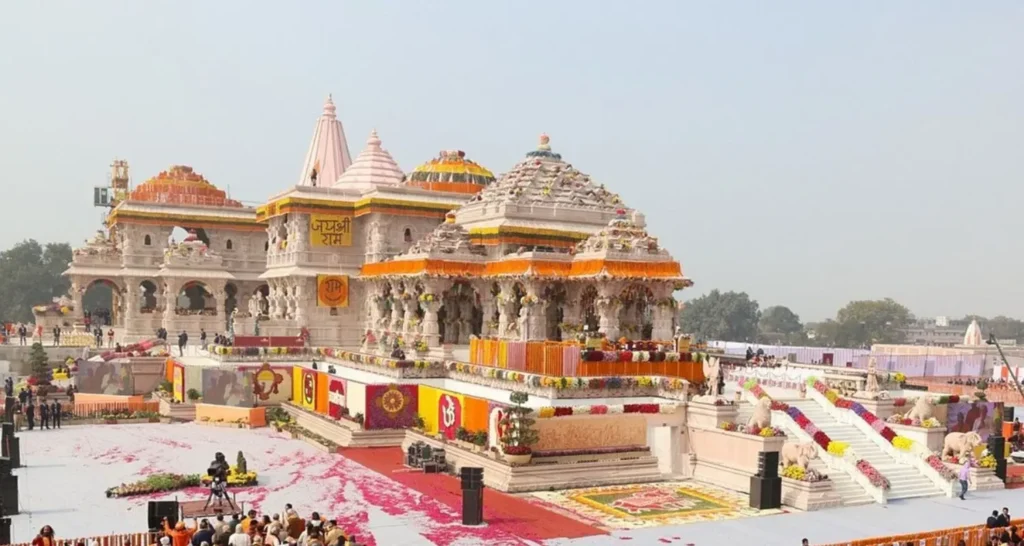
The Ram Mandir at Ayodhya stands on one of the oldest continuously revered religious sites in the world. Ayodhya has been described in ancient Hindu scriptures such as the Ramayana, Skanda Purana, and other texts as the sacred birthplace of Lord Shri Ram, placing its spiritual history thousands of years in the past. For generations, devotees have considered this land holy, and worship at the site continued in various forms across different historical periods.
FAITH,CULTURE,UNITY RESTORED!
Archaeological studies and historical records indicate that a large Hindu religious structure existed at the site long before medieval times, reflecting the deep-rooted cultural and spiritual significance of the location. Despite periods of political and social change, the faith associated with Ram Janmabhoomi remained strong and unbroken in the hearts of devotees. The site became not only a center of worship but also a symbol of devotion, patience, and cultural identity.
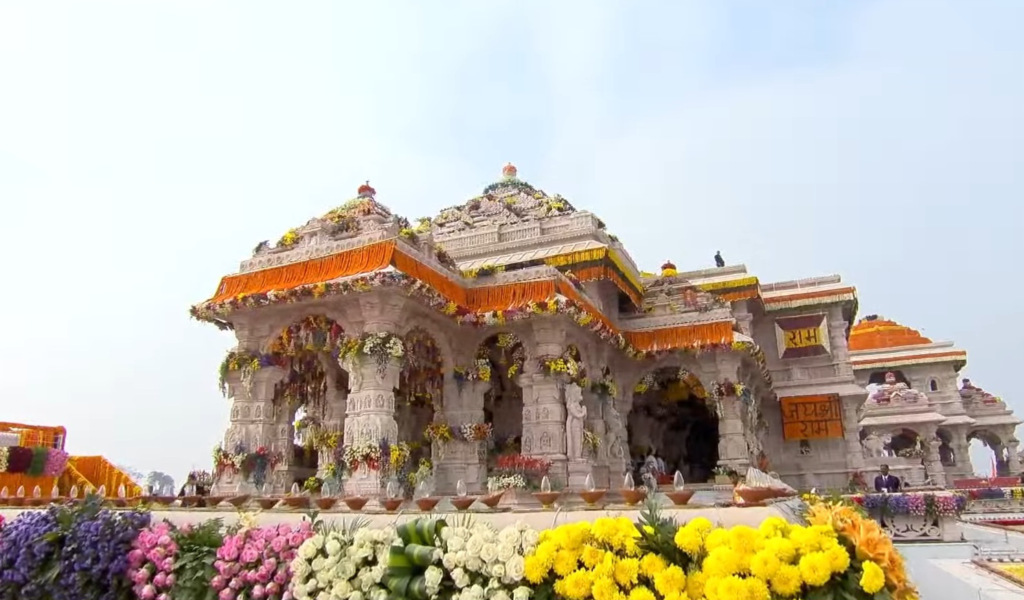
Divine Light, Historic Moment!

The present Ram Mandir, constructed using traditional Nagara-style temple architecture, represents the revival of this ancient legacy in a modern era. Every pillar, carving, and sculpture draws inspiration from classical Indian temple design, connecting today’s generation with the craftsmanship of the past. The temple does not merely represent a structure of stone; it reflects centuries of belief, sacrifice, and spiritual continuity.
A sacred space for the heart, mind, and soul.
Today, the Ram Mandir serves as a bridge between India’s ancient civilization and its modern spiritual life. It stands as a reminder that while structures may change over time, faith endures. Millions of devotees visit the temple to seek blessings, experience peace, and connect with a tradition that has survived for thousands of years, making the Ram Mandir not just one of the oldest sacred sites in belief, but one of the most meaningful symbols of Indian heritage.
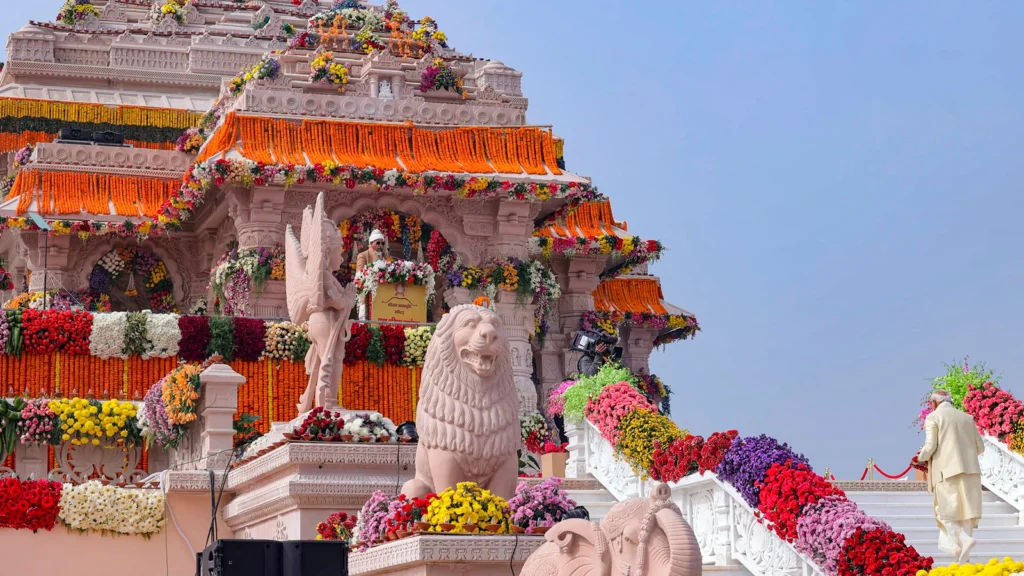
Ram Lalla
The Ayodhya Ram Mandir is a sacred Hindu temple built in Ayodhya, Uttar Pradesh, believed to be the birthplace of Lord Ram, the hero of the Ramayana. For centuries, Ayodhya has been an important spiritual center for Hindus. The site became a subject of long legal and historical debate during the medieval and modern periods. After years of court proceedings, the Supreme Court of India in 2019 gave the verdict in favor of building the Ram Mandir at the disputed site. The construction of the temple began in 2020 with a Bhoomi Pujan ceremony led by the Prime Minister of India. The temple reflects ancient Indian architectural style and symbolizes faith, culture, and devotion. Today, the Ram Mandir stands as a major religious and cultural landmark of India.
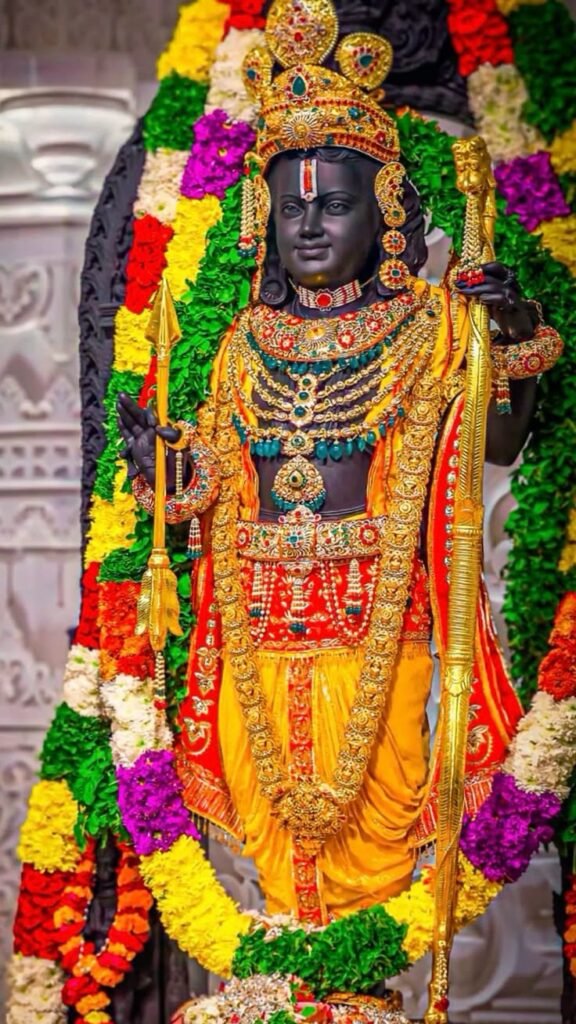
The Ayodhya Ram Mandir is one of the most significant religious and cultural landmarks in India, dedicated to Lord Ram, who is revered as the embodiment of truth, duty, and righteousness. Located in Ayodhya, Uttar Pradesh, the temple is believed to be built at the sacred site of Ram Janmabhoomi, the birthplace of Lord Ram. For centuries, Ayodhya has held immense spiritual importance in Hindu tradition and is closely connected with the epic Ramayana. The temple is constructed in the traditional Nagara style of North Indian architecture, following ancient texts such as Vastu Shastra and Shilpa Shastra, and is made using sandstone and granite without iron or steel, reflecting timeless engineering practices.